
Are you a freelancer or independent contractor who needs to fill out tax forms? Understanding the difference between W4 and W9 forms is crucial to stay compliant with tax regulations. Let’s delve into the details to help you navigate the process smoothly.
When starting a new job, you’ll likely encounter the W4 form, which is used to determine how much federal income tax your employer should withhold from your paycheck. This form includes personal information, such as your name, address, and filing status, along with details on allowances and additional withholding amounts.

W4 And W9 Forms
W4 And W9 Forms: Key Differences
On the other hand, the W9 form is typically used by businesses to request information from independent contractors or freelancers they plan to hire. This form collects the contractor’s name, address, and taxpayer identification number (TIN) for tax reporting purposes.
While the W4 form is essential for employees to ensure accurate tax withholding, the W9 form is crucial for independent contractors to provide necessary tax information to businesses they work with. Understanding the distinctions between these forms can help you fulfill your tax obligations correctly and avoid any potential issues with the IRS.
Whether you’re an employee filling out a W4 form or a freelancer completing a W9 form, accuracy is key to prevent any discrepancies in tax reporting. Be sure to review the instructions carefully and seek professional advice if you’re unsure about how to fill out these forms correctly.
In conclusion, familiarizing yourself with the purpose and requirements of W4 and W9 forms is essential for anyone navigating the world of taxes as an employee or independent contractor. By understanding the distinctions between these forms, you can ensure compliance with tax regulations and avoid any unnecessary complications down the line.
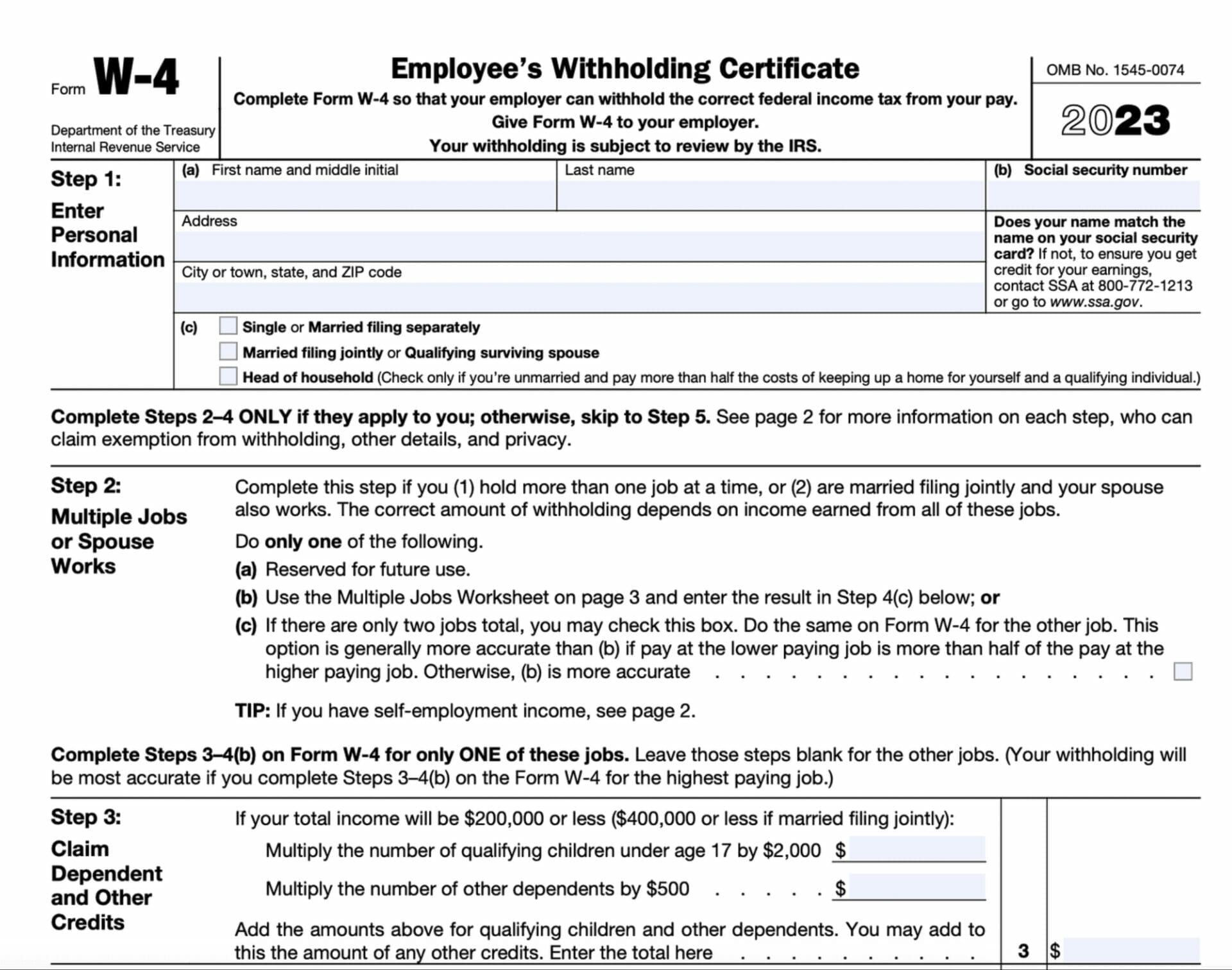
What Is The Difference Between Forms W 4 W 2 W 9 amp 1099 NEC

W 9 Vs W 4 Understanding The Difference Between Forms
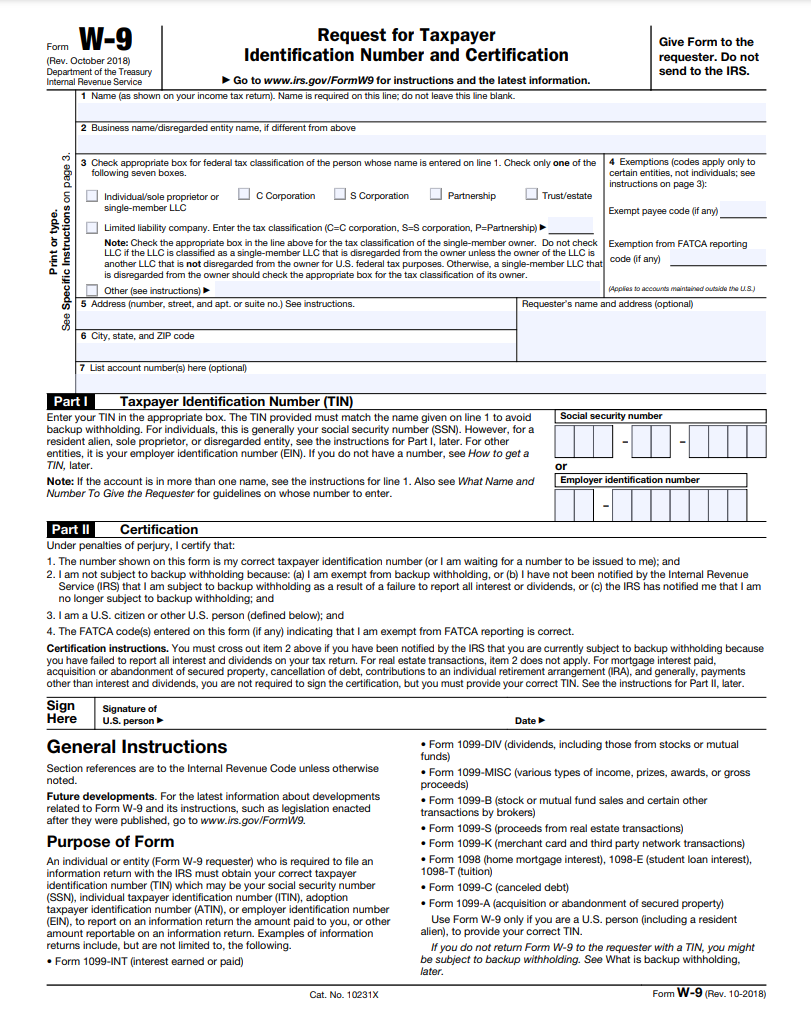
W 9 Vs W 4 Forms What s The Difference FormPros